 111
111 2
2 3
3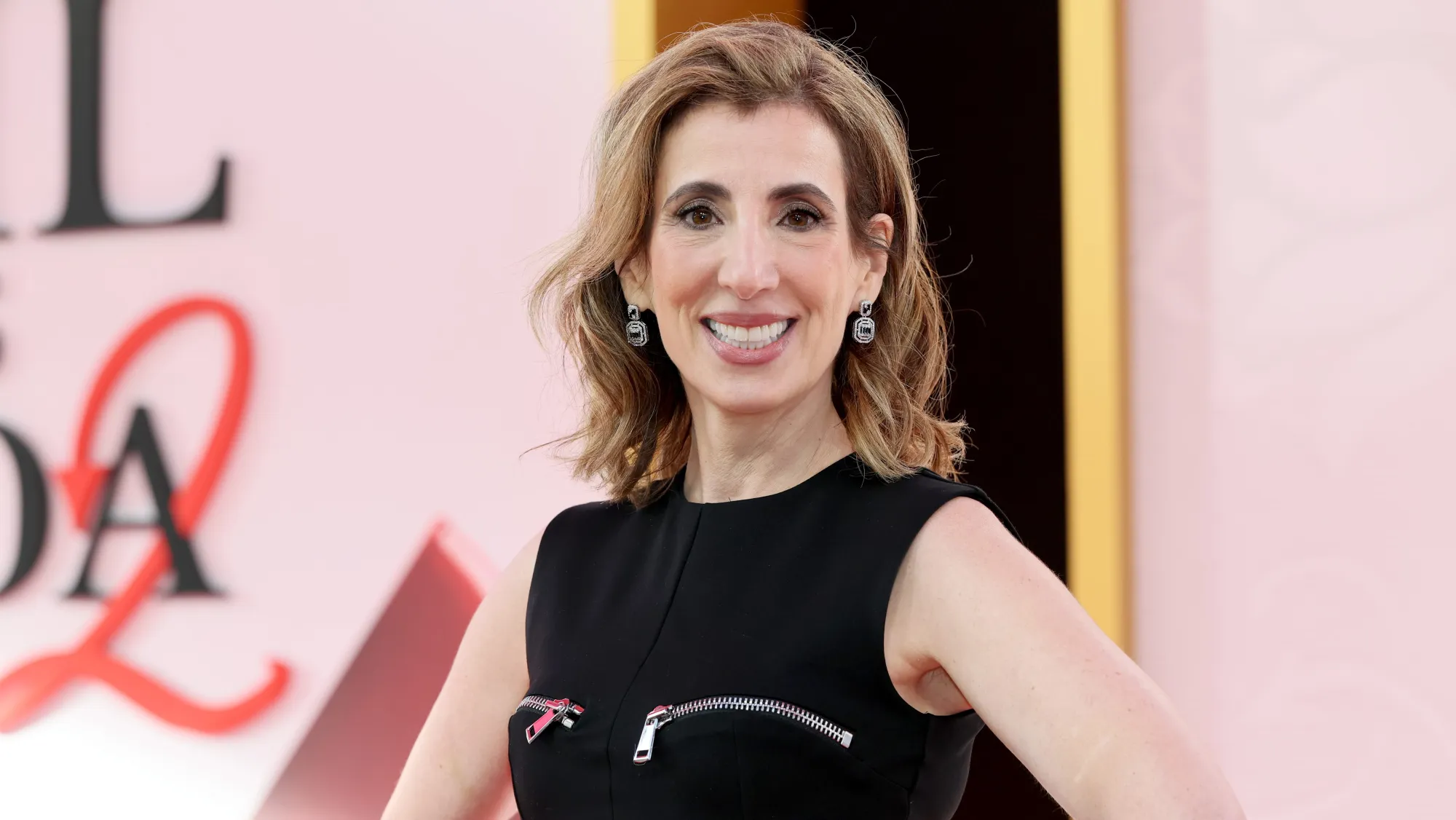


There is something quietly thrilling about revisiting a world that once defined an era of style and storytelling. For Aline Brosh McKenna, the creative force behind the original The Devil Wears Prada, stepping back into that universe is not about reinventing the wheel. It is about honoring what made it unforgettable while giving audiences just enough of a fresh edge to keep things exciting.
As conversations around The Devil Wears Prada 2 begin to build momentum, McKenna has made one thing clear. This sequel is not trying to overcomplicate itself. It is rooted in two powerful elements that defined the original film’s success. Fan service and fashion. And according to her, that is exactly where the magic lies.
McKenna understands the emotional attachment audiences have to the characters and the world they inhabit. The original film was more than just a story about magazines and couture. It was about ambition, identity, and the cost of success. With the sequel, she leans into that nostalgia without letting it feel repetitive. Familiar dynamics, iconic character moments, and subtle callbacks are expected to shape the narrative in ways that feel rewarding rather than forced.
Fashion, of course, remains at the center of it all. The first film set a benchmark for cinematic style, blending high fashion with storytelling in a way that felt aspirational yet accessible. In the sequel, McKenna hints at an even sharper focus on how fashion has evolved. The industry is no longer just about glossy pages and runway shows. It now intersects with digital influence, social media power, and changing cultural standards. This evolution is expected to reflect heavily in the film’s aesthetic and narrative tone.
While McKenna keeps most plot details under wraps, her approach suggests a deliberate simplicity. There is no attempt to overshadow the original with unnecessary complexity. Instead, the goal is to deliver what audiences loved, elevated with a modern perspective. It is a balancing act between nostalgia and relevance, one that few sequels manage successfully.
The mention of fan service may raise eyebrows in some circles, often associated with shallow storytelling. But in this case, it appears to be more about emotional payoff. Revisiting beloved characters, witnessing their growth, and experiencing the familiar rhythm of their world can create a sense of continuity that audiences crave. McKenna seems to recognize that sometimes, giving viewers exactly what they want is not a weakness but a strength.
What makes this return particularly intriguing is how the cultural landscape has shifted since the original film’s release. Conversations around workplace dynamics, power structures, and personal boundaries have evolved significantly. If addressed thoughtfully, these elements could add new layers to the story without losing its signature charm.
At its core, The Devil Wears Prada 2 appears to be a celebration. A celebration of style, storytelling, and a cinematic universe that left a lasting imprint on pop culture. With Aline Brosh McKenna steering the narrative once again, there is a sense of continuity that promises authenticity.
For now, details remain limited, and perhaps that is part of the appeal. In an era where everything is revealed too soon, a little mystery feels refreshing. What is certain, however, is that the film is shaping up to deliver exactly what fans have been waiting for. No more, no less. And sometimes, that is more than enough.